2019 Legislative Priority: Early Childhood Education – ECEAP
By League of Education Voters Policy Team
We believe students come first. We are focused first and foremost on meeting the needs of every student.
We are dedicated to designing an equitable education system that serves all students based on their strengths, supports their needs, and provides the resources they need to be successful.
We are committed to working to close gaps experienced by historically and systemically underserved students— including students of color, students in poverty, students qualifying for special education services, students learning English, and students impacted by trauma. We believe this will lead to all students experiencing greater success and reaching their full potential.
WHY WE SUPPORT THE EARLY CHILDHOOD EDUCATION AND ASSISTANCE PROGRAM
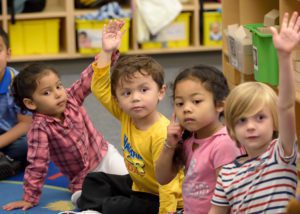
 When Washington state five-year-olds arrive in kindergarten each year, they are beginning an educational journey on which some of them are already behind their classmates. Our state has a 30-point kindergarten readiness gap – only 31% of kindergarteners from low income families are fully school ready, compared to 60% of their non-low income peers (1).
To achieve readiness for all Washington children, some kids need more support, earlier. Washington has initiated a high-impact, research-proven early childhood education intervention program: the Early Childhood Education and Assistance Program (ECEAP) (2). Read More
 90% of human brain growth happens from birth to age six, but 98% of our state’s educational investments happen after kids reach age five.
 Historically, local levies have provided about one quarter of K-12 education funding in Washington state, amounting to $2.6 billion in school year 2018-19. In 2018-19, districts raised an average of $2,395 per student in local levy funding, with levies ranging from $86 per student in some districts to over $4,000 in others. This difference is driven not only by the levy rates, or amounts that district voters agree to tax themselves, but also by the property values in a district.
 Districts receive both state and federal funding to provide educational services and supports to students with disabilities, with state funding providing the biggest portion of funding. There are several factors that determine how much special education funding a district receives, but the two factors that most impact the level of state funding for special education for school districts are:
 In our podcast, we interview policymakers, partners, and thought leaders to spotlight education policies, research, and practices so that together we can create a brighter future for every Washington student.
 With the passage of federal legislation in the 1970s, students with disabilities were guaranteed legal rights to access a public education that would accommodate their specific learning needs. Prior to guaranteeing the right to access education, it was common practice for students with disabilities to be actively excluded from public education settings. Federal legislation was intended to ensure that all students have the ability to access the public education system through the program of special education. (1)
 Laura Hitchcock comes to League of Education Voters as the Interim CEO from over 25 years in nonprofit and policy management. As a consultant, she has worked with Jan Glick & Associates to help strengthen organizational clients’ external, internal, and strategic focus, as well as provide strategic clarity to coalition and multi-organization initiatives, including facilitating the formation of the Early Learning Action Alliance.
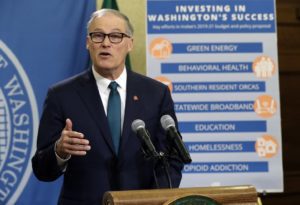 Governor Jay Inslee released his